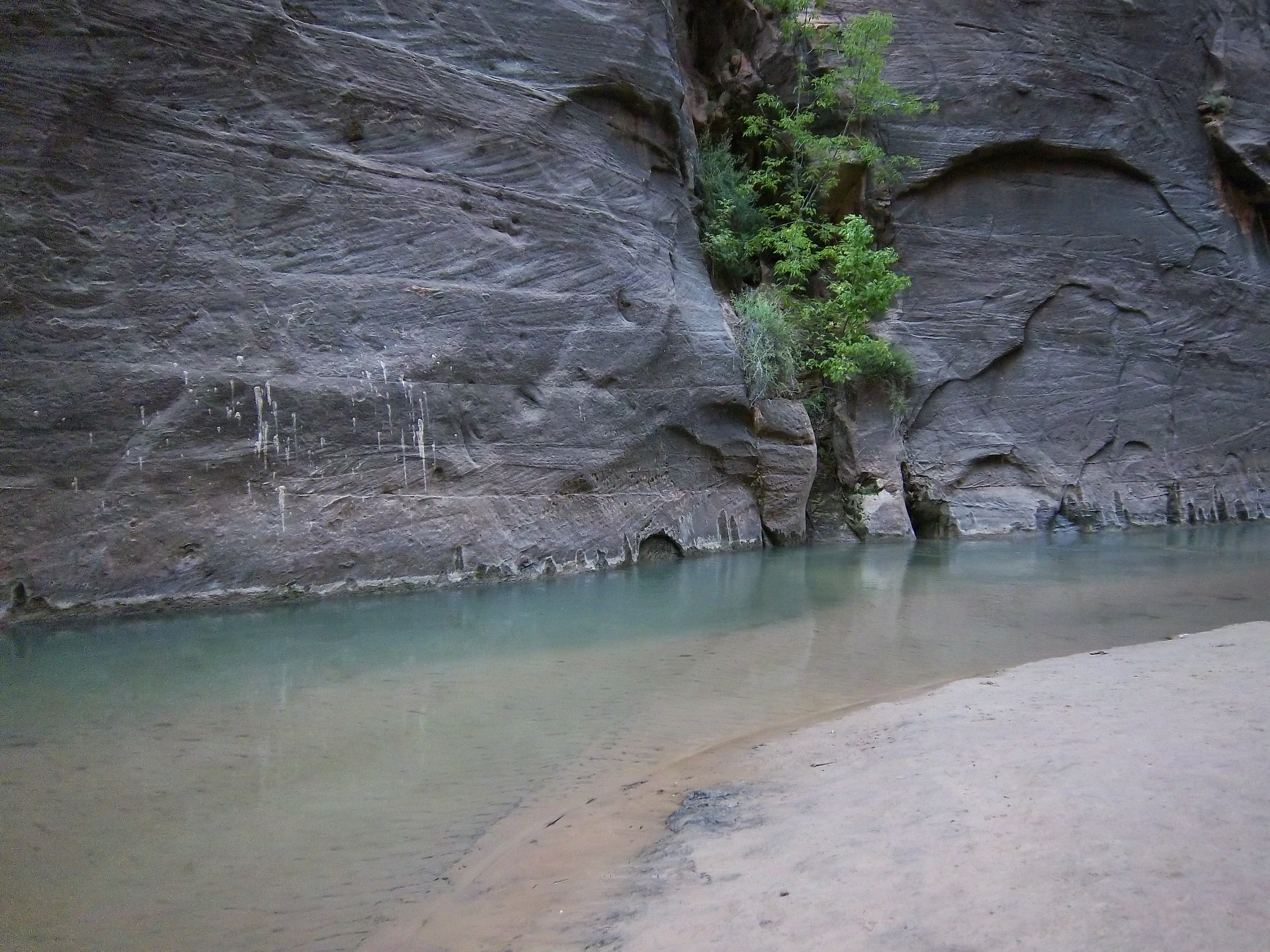

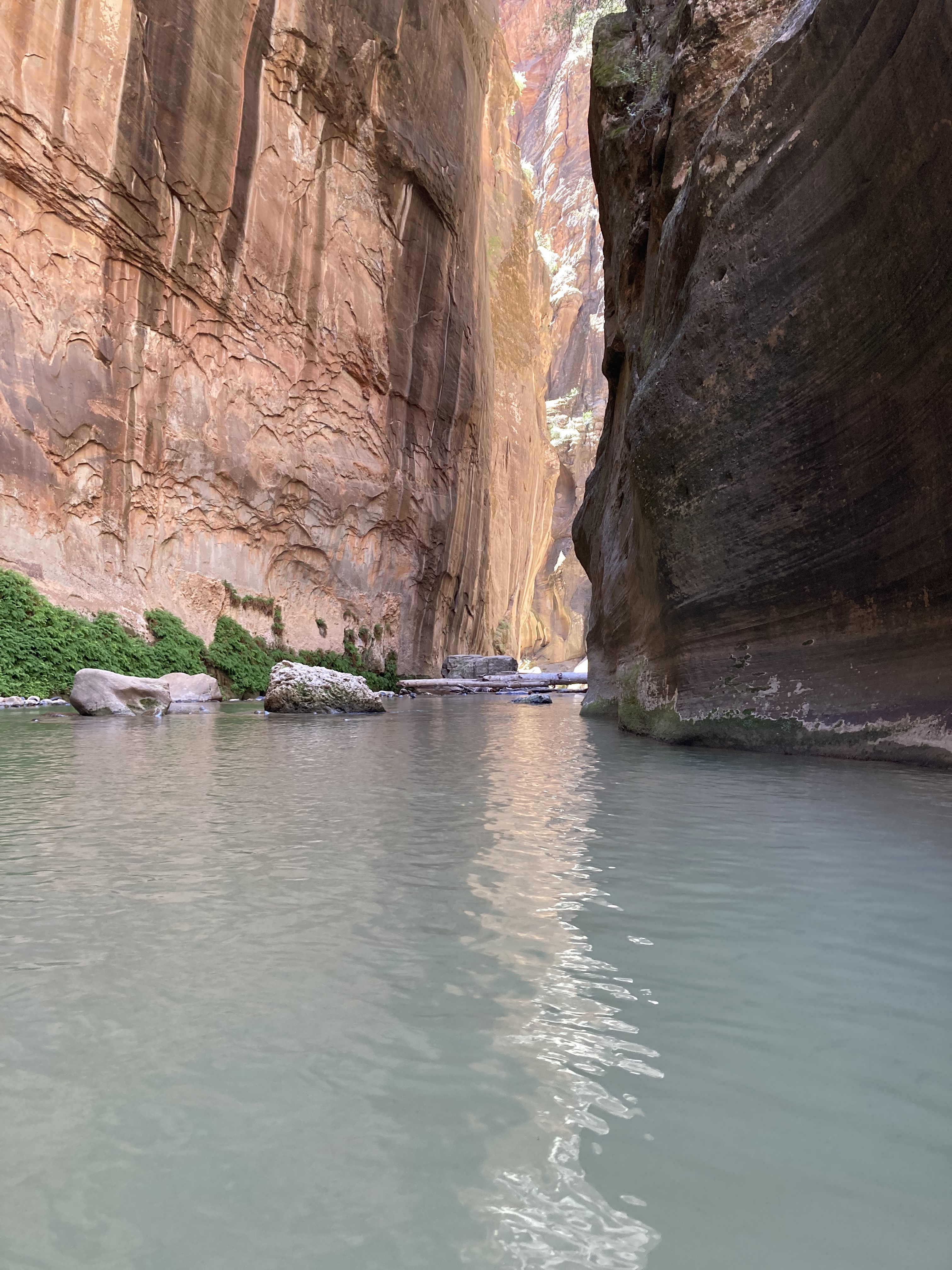
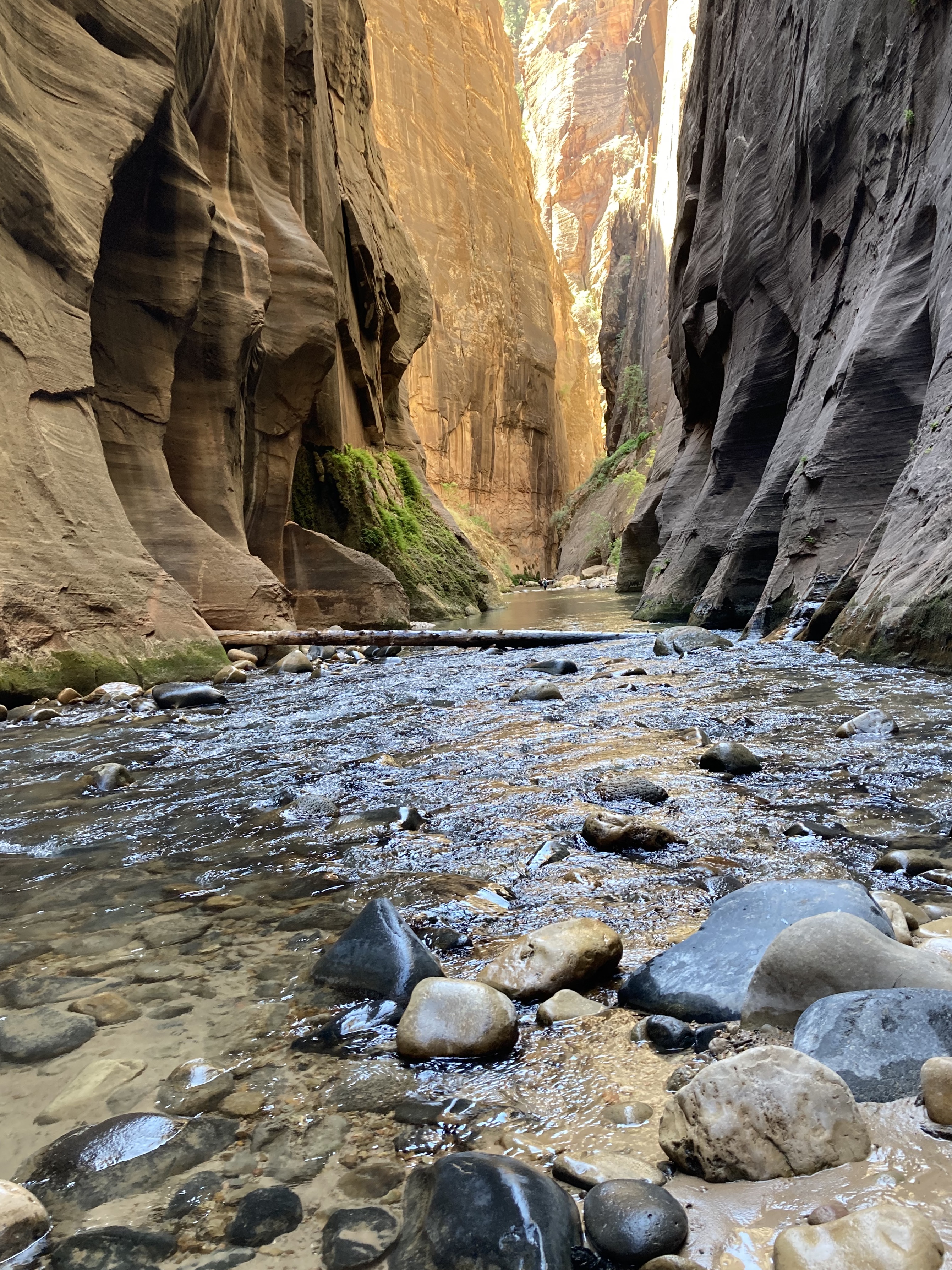
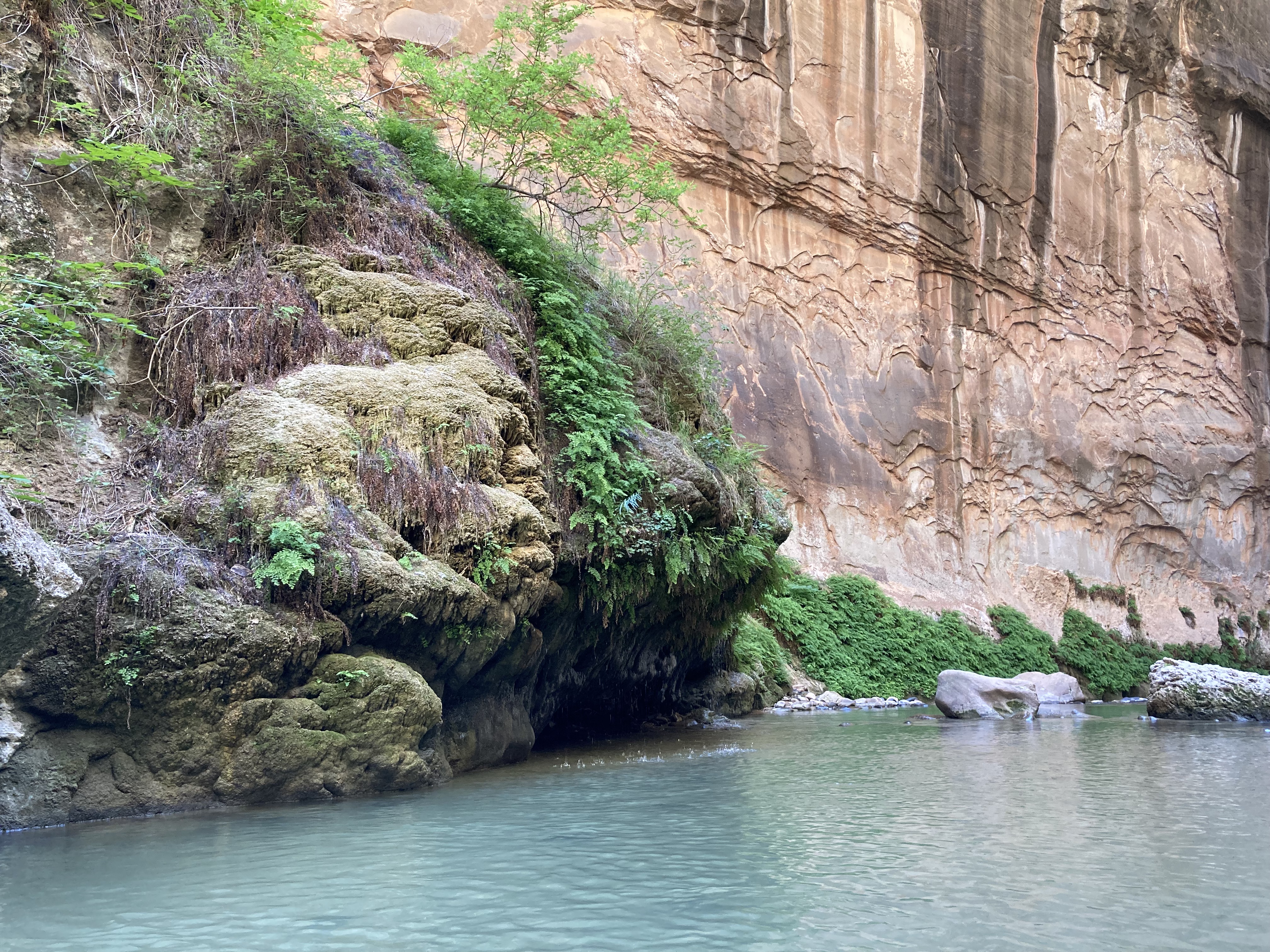
The Narrows Trail at Zion National Park follows the North Fork of the Virgin River through a slot canyon. The day hike elevation is about 4500 feet. The trail winds between tall cliffs of pink, brown and white Navaho Sandstone, deposited 180 million years ago during the Lower Jurassic period.
Check the Zion NPS website to learn about the Narrows and follow the principles of Leave No Trace. Flash floods are possible even if not expected. Seasonal trail closures can last into summer. Water volumes fluctuate during the open season, impacting the difficulty and water temperature. Note shuttle times, especially the first and last shuttles, if you are planning a long hike. Plan on no cell phone service. Rescue is likely, but not guaranteed and can take hours. NPS rescue logs suggest that twisted ankles are common.
DON’T drink the river water. Check for updated warnings about cyanobacteria before and during your visit.
You don’t need to go far to enjoy this hike. Just turn back whenever you’re ready. Walking the paved Riverside Walk (2.2 miles round trip – easy with mild grades, the first 0.4 miles is wheelchair accessible) from the Temple of Sinawava shuttle stop to the Narrows trailhead is a delightful experience. Food, water, and comfortable footwear make for a pleasant stroll beside immense cliffs, hanging gardens, and occasional small waterfalls. At the trailhead you can watch the hikers arriving from their epic hike and departing with trepidation or confidence or both.
The Narrows hike is about constant choices. When in doubt, follow the pack. Fast moving currents are boisterous as they pass over rocks, but the current can also be strong in what appear serene pools. Pooled areas may look easy, only to plummet you into very cold water. Shallow water over sand might be a gentle crossing and respite from crossing over rocks, but in less disturbed areas it can sink your feet in mud, so tread cautiously and feel around with your hiking stick or pole. If you need to choose between choppy blue and serene emerald, take choppy blue. However there are some heavily travelled sandy emerald crossings. Take the heavily travelled crossing. If the water is brown after a storm, you likely won’t see the emeralds, so just stick with the shallowest choppy water, rocks, and heavily travelled crossings. Go your own pace no matter what, even if people are behind you and you feel obliged to hurry. They can go around you or wait. It’s a big river. Listen to what your feet are telling you. Feel your way. Take breaks. Hydrate and eat snacks.
Experience has taught me to be aware of the potential for hypothermia, dehydration, and impaired judgment from mental and physical exhaustion. As you head up river, there are fewer hikers and help is farther away.
For a safe day hike in the Narrows bring closed toe sandals or shoes, hiking stick/s or poles, all of the water you will need and a little extra, all of the food you will need and a little extra. Neoprene socks add warmth and safety. Dry bags (like Sea to Summit or similar) are helpful.
When nature calls on a Narrows day hike: You’re probably going to want to linger in the Narrows, so do yourself a favor and use the restrooms or port-a-potties at the shuttle stop. There is no privacy along the hike. The easiest thing may be to turn back. If that’s not realistic, then peeing in the river is the most sanitary option. Don’t urinate on the dry land on this hike as it leaves a horrid stench. Don’t ever poop in or near a river or other body of water – you need at least 200 feet distance to avoid contaminating the water. You must pack out solid waste (poop, including diarrhea), so carry a W.A.G. bag, especially for a long day hike. Put a used W.A.G. bag in the trash (not in a toilet or port-a-potty). Examples of wag bags include Go Anywhere or Restop 2. It’s easy to look up internet videos on ‘how to use a wag bag’. Consider extra toilet paper and sanitizer wipes. It’s generally a good idea to carry an anti-diarrheal like Imodium in your first aid kit. You must pack out used toilet paper and wipes, which can go in the W.A.G. bag.
Carry out your trash including food scraps. There are trash and recycling receptacles at the shuttle stop.
Narrows gear rentals are available in Springdale and can add to the safety and comfort of your hike.
Because I like to go as far as I can up river, my pack is ready the evening before to catch an early shuttle. Allow 45-60 min on the shuttle each way between the Visitor Center and the Temple of Sinawava. Don’t count on cell service in or near the Narrows and for part of the shuttle ride. Make sure someone knows when to expect you out and what to do if you don’t contact them. Have a way to check the time and plan to be well out before the last shuttle.
For a long day hike, here is what I bring: inexpensive hiking poles, neoprene socks, closed toe water sandals (I use Keen’s), a small nylon backpack, water bladder and/or Nalgene bottles (fill station at Visitor Ctr), dry bags, phone/camera, watch, credit card, heath insurance card, N95 mask, hand sanitizer, tissues, zip lock bag for trash, lip balm, first aid kit (add Imodium), Glacier Gel or Blister Medic, non-latex gloves, ace bandage, emergency blanket, headlamp w/ fresh batteries, toilet kit (like Go Anywhere), quick dry clothes, smart wool long sleeve shirt, warm hat, base layer pant (post-hike cold/tired), flip flops (to change into dry footwear). Enough food plus extra, 75-100 oz water, Nuun electrolyte tablets. Some people prefer to pack light. I prefer to pack for emergencies and comfort.
I am yet to experience a flash flood at Zion Narrows, but before I go I review the signs and safety measures, as a well as first aid instructions. As I hike I assess my options for higher ground. When I first started out, I wasn’t sure what ‘higher ground’ could mean since you can’t just climb up a hill. Higher ground is whatever point you can reach on the river banks or beaches in your immediate vicinity. It’s highly imperfect. My basic rule in hiking is that turning back or scrapping a trip has to be okay. It’s not worth dying for. Check Weather.gov for flash flood potential. Wait for a low likelihood day. Check the narrows report at the Visitor Center on the day. Hike early, turn back with thunder or darkening skies. Hopefully I never feel or see a water surge, hear the roar, see the debris or see the water changing color.
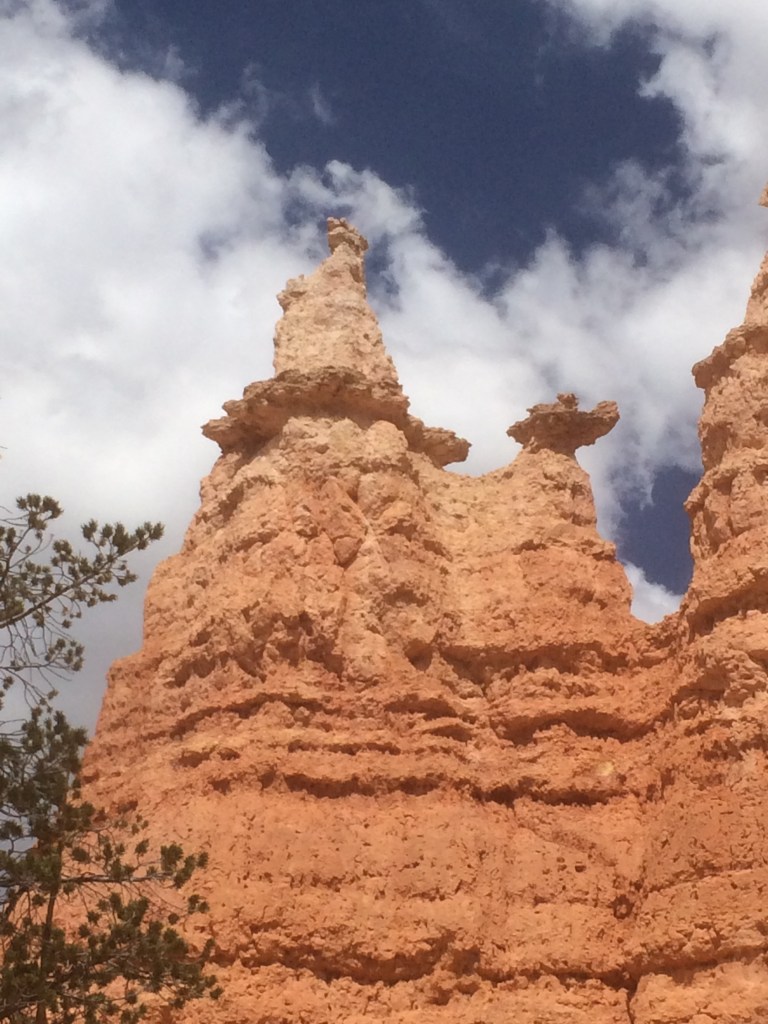
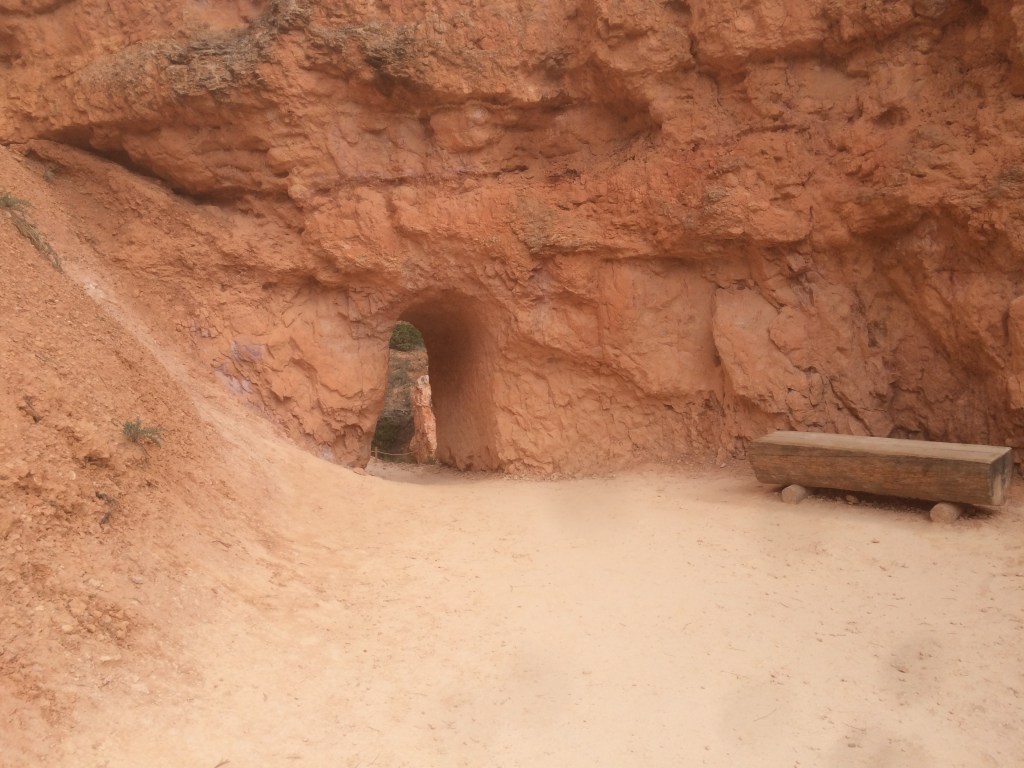
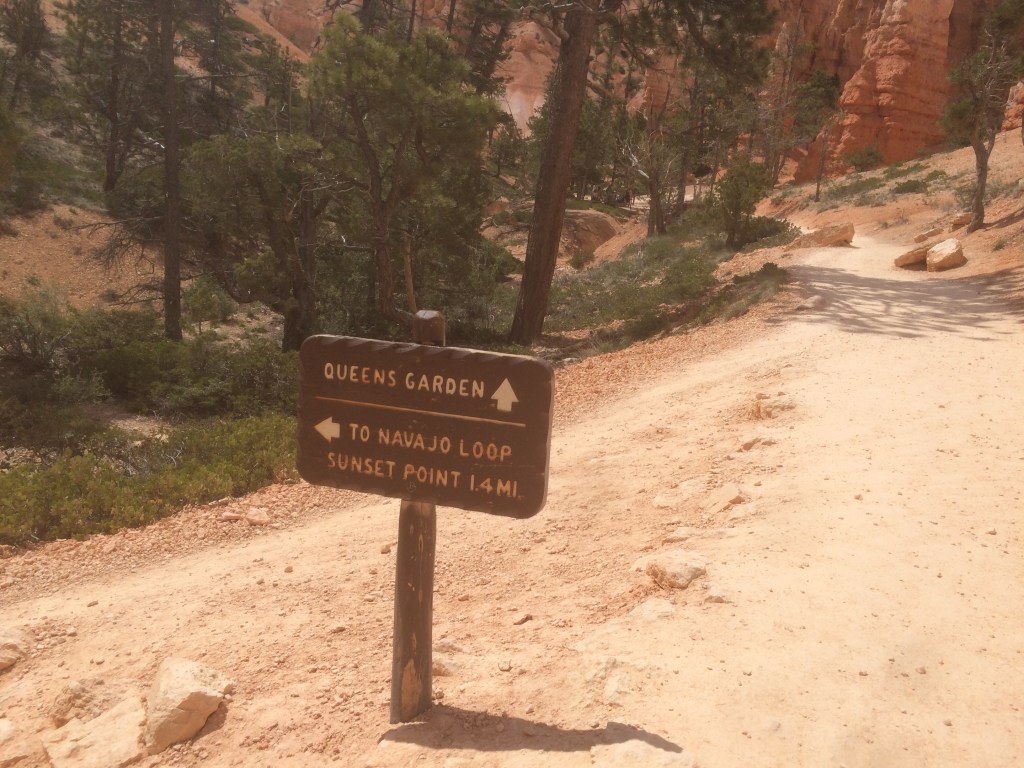
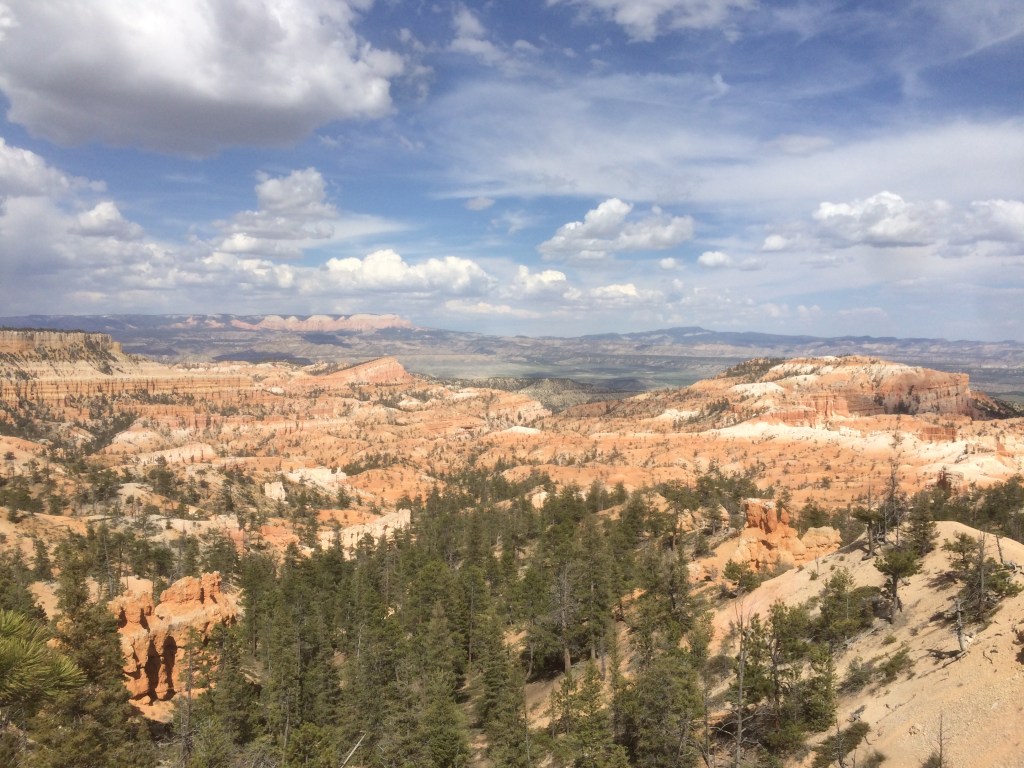
Bryce Canyon
 RocksTalk